Category: Foreign Tours

  • Backpacking Thailand on a Budget: From Delhi to Thai Adventures

    Backpacking Thailand on a Budget: From Delhi to Thai Adventures

    I recently backpacked from New Delhi to Thailand, and it turned out to be one of the most vivid and unforgettable trips I’ve ever taken. From the moment I left the Delhi airport to the night I watched my last Thai sunset, every hour felt like an epic little chapter. Thailand lives up to its nickname — the Land of Smiles — and, even on a shoestring, it delivers transformative and sublime experiences.

    Getting There — Flights and Routes

    First, the simplest way to reach Thailand from New Delhi is by flight. Direct planes from Delhi to Bangkok take about four to five hours. Carriers like IndiGo, Thai Airways, Air India, and SpiceJet fly daily. For cheaper fares, you can opt for one-stop flights via Kuala Lumpur or Singapore on AirAsia or Scoot, which often bring round-trip costs down to ₹12,000–22,000. When I booked, I grabbed a round-trip for roughly ₹18,000. Moreover, booking about four-to-five weeks ahead usually trims around 10–15% from the price, so plan ahead to secure a proven deal.

    Although overland travel via Myanmar exists in theory, it’s slow and far less practical. Instead, once you’re in Thailand, domestic flights are very affordable. For example, a one-way from Bangkok to Phuket often costs ₹3,000–8,000 and saves hours of travel time compared with buses. Consequently, flying internal legs makes your itinerary efficient and more enjoyable.

    Visa and Preparation

    Before you fly, remember that Indian citizens can stay in Thailand visa-free for up to 60 days — a major plus for budget travelers. However, travel insurance is required and sensible; Thailand asks for coverage for medical emergencies (around USD 10,000). I bought a simple policy for about ₹30–100 per day and slept much better knowing I was covered. Therefore, don’t skimp on insurance; it’s essential and gives peace of mind.

    Bangkok — Temples, Markets, and Nightlife

    I landed in Bangkok and immediately felt the city’s energy: temples, neon, and the mouthwatering scent of street food. My first stop was the Grand Palace and Wat Phra Kaew, home of the Emerald Buddha. The complex is resplendent and costs around 500 THB (≈₹1,150). Nearby Wat Pho, with its giant reclining Buddha, charges about 300 THB (≈₹690). Across the river, Wat Arun is another must-see for roughly 200 THB (≈₹460).

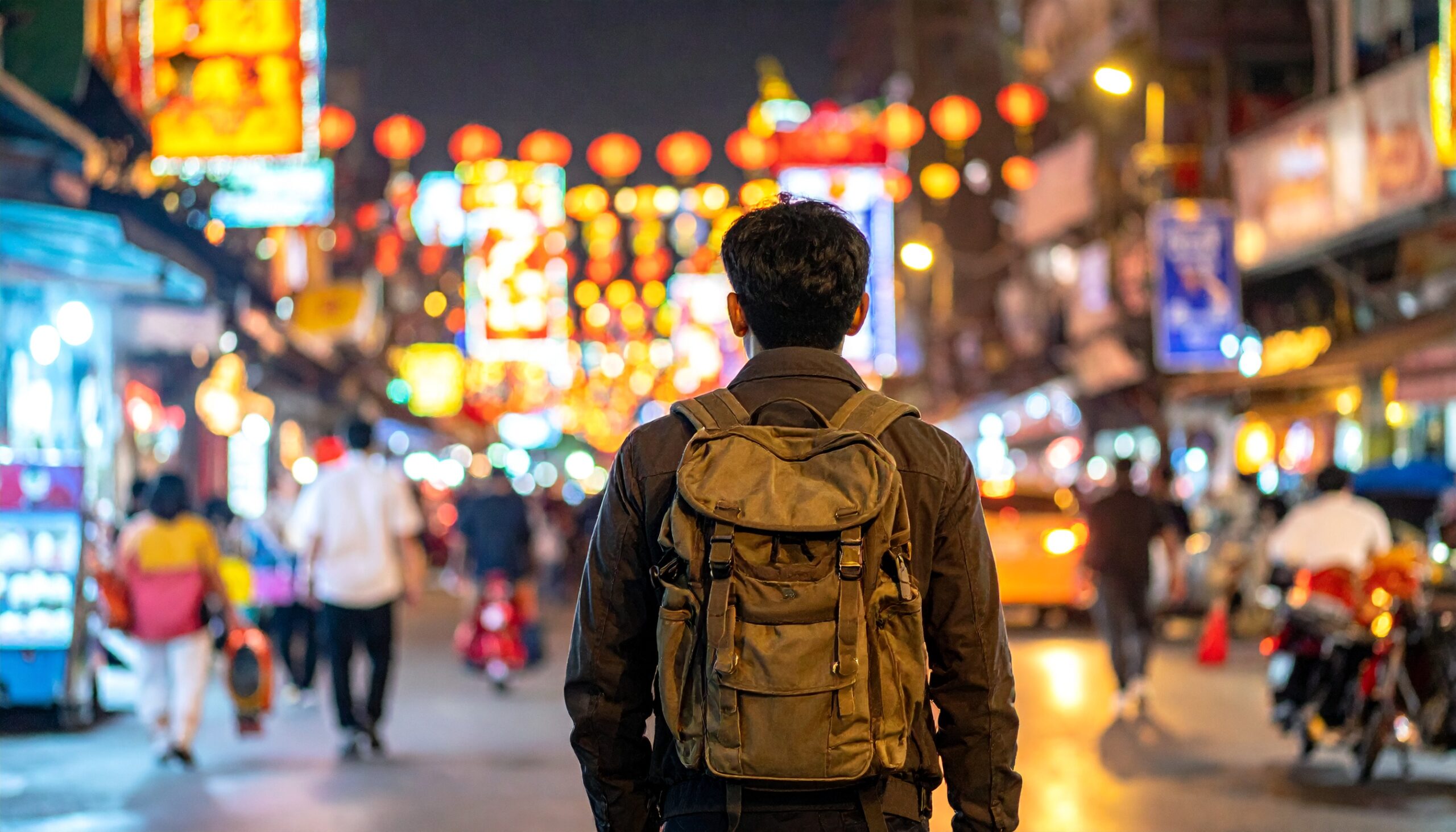
    Between temples, I took a calm boat ride on the Chao Phraya River to cool off. In the evenings, Khao San Road buzzes with backpackers and live music. Meanwhile, Chinatown offers endless street eats: pad Thai, mango sticky rice, and little plates for ₹150–250. I walked, tasted, and watched the city pulse; the simple pleasures added up, and consequently, I felt thoroughly immersed.

    Hostels in Bangkok are wallet-friendly. I found clean dorms for ₹1,200–2,000 per night and private fan rooms for around ₹2,300. With BTS rides, tuk-tuks, and river boats, I managed a full day for about ₹2,500–3,000 — food, travel, and entrance fees included. In short, Bangkok is both vibrant and affordable, and it’s a must-see on any Thailand route.

    Ayutthaya — The Ancient Capital

    After a few busy days, I took a two-hour train north to Ayutthaya for about 20 THB (₹45) in third class. The town is a UNESCO World Heritage Site filled with temple ruins, enormous Buddha statues, and quiet river views. I bought a multi-temple pass for roughly 220 THB (≈₹500) and visited Wat Mahathat and Wat Chaiwatthanaram. Including snacks and local transport, the whole day was about ₹800 — a bargain for history and beauty. Indeed, Ayutthaya felt timeless, serene, and unexpectedly poetic.

    Chiang Mai — Culture and Adventure in the Hills

    Next, I flew to Chiang Mai, a calm city wrapped in verdant mountains. Flights are short — roughly 1.5 hours — and often cheap. Doi Suthep sits above the city and costs just 50 THB (≈₹115) to enter. The Old City is full of free or inexpensive temples. At night, the Chiang Mai Night Bazaar offered endless finds and cheap, flavorful dishes like khao soi for about ₹100.

    A highlight was a full-day jungle trek in Doi Inthanon National Park for 1,200 THB (≈₹2,760), with a guide and meals included. I also visited an ethical elephant sanctuary for around 2,500 THB (≈₹5,750). Seeing elephants roam calmly — not perform — was moving and memorable; indeed, it was one of the most emotional moments of the trip. Dorm beds run ₹700–1,100, and renting a scooter costs about ₹500 per day. Consequently, my daily spend averaged ₹2,500–3,000.

    Phuket & Krabi — Island Escapes

    From the north, I flew south to Phuket and then onward to Krabi for beaches and island days. Flights can be around ₹3,000 one-way, and the switch from mountains to turquoise sea felt instant and thrilling. Patong Beach is lively and free to visit. For a classic day, I took a Phi Phi Islands boat tour that cost 1,200–2,000 THB (≈₹2,800–4,600) and included snorkeling and lunch. Visiting Maya Bay and Pileh Lagoon felt like stepping into a postcard — utterly serendipitous and cinematic.

    Krabi’s Railay Beach is reachable only by boat and is absolutely worth it. The Tiger Cave Temple hike is free and rewards you with sweeping panoramas. The Emerald Pool charges about 200 THB (≈₹460). Accommodation near the beaches ranges from ₹800–1,500 per night, so expect daily costs of ₹3,000–3,500 during this stretch. Overall, the southern coast is both breathtaking and surprisingly budget-friendly.

    How Long and What It Costs

    Seven to fifteen days is a perfect window to explore key parts of Thailand. A quick 7-day trip can cover Bangkok, Ayutthaya, and either Phuket or Chiang Mai. Ten days gives you both north and south, while two weeks lets you add Pattaya or another island. Essentially, the more time you have, the deeper and more relaxed the experience.

    A rough 10-day budget looks like this:

    • Flights: ₹18,000 (round trip)
    • Accommodation: ₹1,200 × 9 nights = ₹10,800
    • Food: ₹600 × 10 = ₹6,000
    • Local transport: ₹300 × 10 = ₹3,000
    • Attractions & tours: ≈₹4,000

    Total: ≈₹42,000 for 10 days. Stretching to 15 days brings the cost to roughly ₹55,000–60,000. Overall, traveling for ₹2,500–3,500 per day is realistic and liberating. Therefore, backpacking Thailand is an excellent way to get maximum joy with minimal spend.

    Final Thoughts

    Traveling from Delhi to Thailand on a backpacker budget is not only doable — it’s transformative. With cheap flights, a relaxed visa policy, and joyful street food, Thailand delivers big moments for small money. If you plan well, eat like a local, and stay curious, you’ll find an unforgettable mix of culture, nature, and fun. Pack light, keep an open heart, and set off — Thailand is waiting, ready to reveal both its secret corners and its dazzling highlights.

    EM

    This post was generated with the assistance of an AI and is intended for informational and entertainment purposes only. While I have made reasonable efforts to ensure accuracy, I make no warranties or representations about the completeness, reliability, or suitability of the information. Facts, figures, and travel requirements may change; readers should verify details with official sources before acting on them. I accept no liability for any loss, injury, or inconvenience arising from reliance on this content.
  • “Epic Eritrea Escape: India’s Ultimate Adventure”

    “Epic Eritrea Escape: India’s Ultimate Adventure”

    Imagine setting out from India on an adventure to one of Africa’s most isolated countries. Eritrea feels like a time capsule. The capital, Asmara, is full of vintage cars and Italian-era architecture. The countryside is dotted with reminders of a different era.

    The Internet is almost nonexistent. Only a few hotel Wi-Fi spots offer slow, dial-up-speed connections. Currency and payment methods reflect Eritrea’s isolation. You must bring all your cash (US dollars) because ATMs and cards don’t work here. In many ways, Eritrea is unlike any other country.

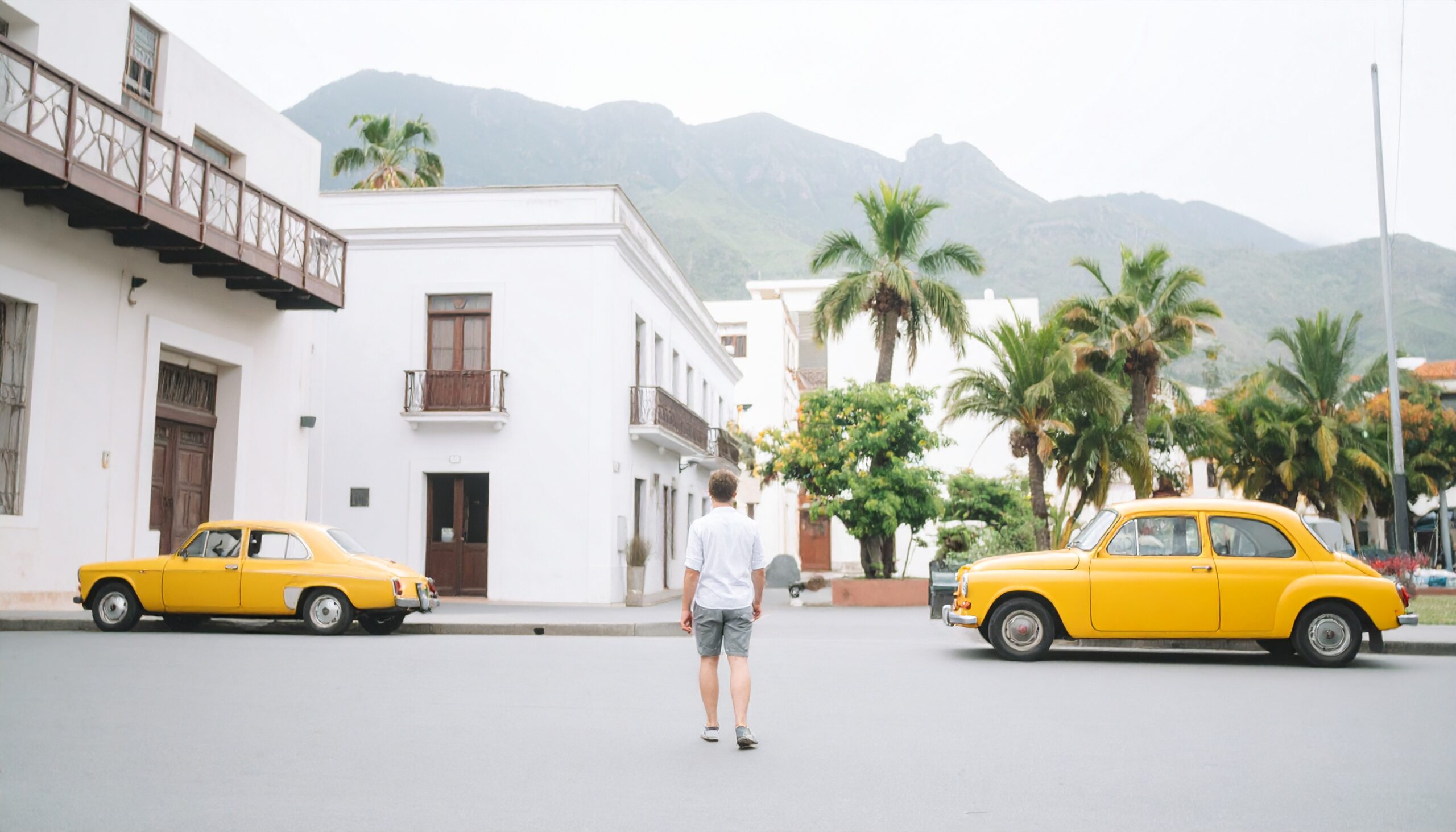
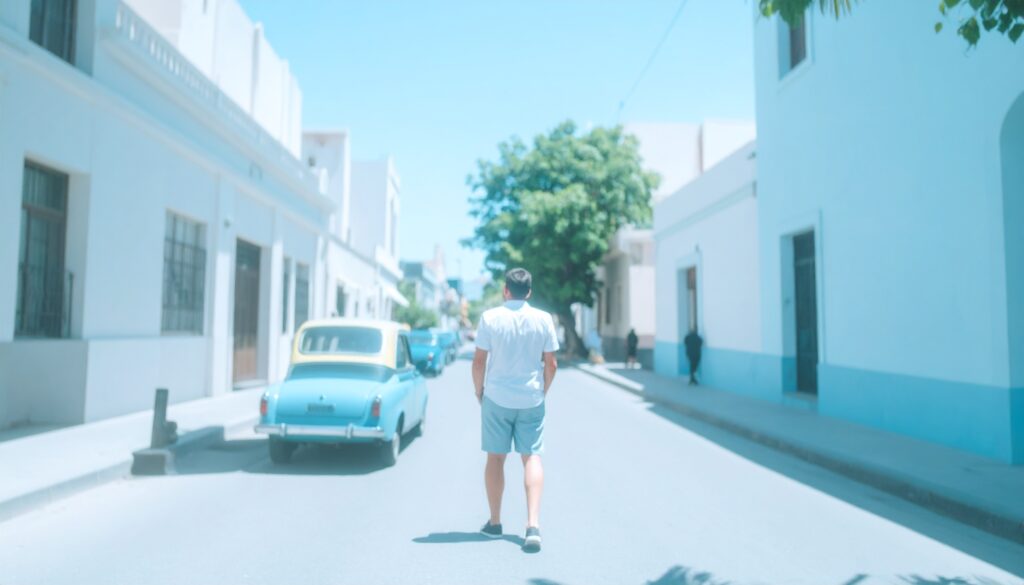
    Asmara’s downtown has a strong Italian flavor. It’s nicknamed “Piccola Roma” and is filled with grand Art Deco buildings and coffeehouses straight out of the 1930s. Yellow vintage Fiat taxis and clunky Soviet buses rumble by on palm-lined streets. Power outages and strict controls mean life often feels frozen in time. Surprisingly, Eritrea even has no new-car dealerships. No modern cars are sold in the capital.

    This former Italian colony preserved its fascist-era gems. Asmara is a UNESCO World Heritage city for its modernist buildings. In short, Eritrea is a living museum. Ancient churches, Art Deco theaters, and centuries-old customs await travelers. Before setting foot here, I knew I was in for something unique.


    First Impressions of Asmara

    As I wandered Asmara’s streets, palm trees and vintage taxis framed stunning colonial buildings. The city’s cathedral and retro Opera House recall its Italian past.

    Walking the streets felt like stepping back in time. Yellow taxis buzzed past. Mid-century motorbikes whirred along. Locals rode old British-made bicycles. Many old Fiats, remnants of the Italian era, lined the streets. Even the famous Fiat Tagliero gas station, with its distinctive wings, stood proudly. Historic cinemas, like Cinema Impero (built 1937), still show faded neon signs.

    Asmara truly is different. UNESCO recognized the city center as a World Heritage Site for its modernist buildings. Unlike other African capitals, Asmara is organized and peaceful. Students walk to school in neat uniforms. Families chat over tea on café patios. Donkeys carry goods through back alleys. The vibe here is old-world charm.


    How to Get There: Routes and Flights

    Getting to Eritrea from India requires connecting flights. There are no direct flights. Most travelers fly through Middle Eastern or African hubs.

    Popular routes include:

    • Ahmedabad → Asmara via Dubai (Emirates/Flydubai): ~11h15m, ~$410–1700
    • Mumbai → Asmara via Dubai (Flydubai/Emirates): ~8h20m, ~$370–1500
    • Delhi → Asmara via Dubai (Emirates): ~10h55m, ~$380–1800
    • Delhi → Asmara via Jeddah (Flynas): ~13h10m, ~$290–1000
    • Ahmedabad → Asmara via Jeddah (Flynas): ~12h05m, ~$310–900
    • Cairo → Asmara (EgyptAir): ~2h45m, ~$480–1700

    Most travelers fly through Dubai or Jeddah. Qatar Airways and Kuwait Airways are alternatives via Doha or Kuwait City. Expect at least 8–12 hours of flight time. The distance from India to Eritrea is about 3,650 km.

    One-way fares, if booked early, can be as low as $295. Ticket prices often range from $300–$1000 depending on season.


    Why No Land Route?

    Eritrea is sealed off by land. The only official border with Ethiopia is closed. Borders with Sudan and Djibouti are heavily controlled or closed. The only entry is by plane. Eritrea’s busiest airport handles only 2–5 flights per day. Land travel for foreigners is not possible.


    Visa and Entry Requirements

    Indian citizens cannot get an eVisa or visa on arrival. A tourist visa must be obtained from the Eritrean Embassy weeks in advance. Only a paper embassy visa is possible.

    Requirements include:

    • Passport valid for at least 6 months
    • Photos
    • Travel itinerary

    Tourist visas are usually valid for up to 6 months but are non-extendable.


    Currency and Packing Tips

    Bring US dollars in cash. Credit and debit cards don’t work. ATMs are not available. The local currency, Nakfa, is tightly controlled. Foreigners cannot buy local SIM cards or use international roaming.

    Internal travel outside Asmara may require permits or be restricted.


    Flying Over: Journey to Asmara

    I departed India in the evening. After a layover, our plane descended into Asmara under a moonlit sky. The airport was quiet. Eritrea gets very few visitors.

    A yellow taxi awaited me. It was an old car that screamed with each gear change. I negotiated a flat fare. Streets were dark except for a few streetlights along Harnet Avenue. The taxi’s dashboard looked antique. Driving through the quiet city, I felt how different life here was.

    At the Crystal Hotel, the clerk welcomed me with a local beer. Electricity is often switched off at night. I finally fell asleep after 36 hours of travel, wrapped in a fleece blanket.


    Discovering Asmara

    Morning light revealed clear skies and cool weather. Asmara sits over 2,300 m above sea level. Even on the equator, days are mild.

    Cafés lined Harnet Avenue. Locals sipped espresso while I held a cappuccino. The broad sidewalks and Art Deco facades felt like 1930s Europe.

    The streets are dotted with vintage cars and old bicycles. Life moves slower. People aren’t glued to screens. Old-world charm prevails.


    Top Attractions in the Capital

    • Opera House – Italian-era theater
    • Cathedral of Asmara – Lombard-Romanesque style
    • Cinema Impero – 1937 classic cinema
    • Piazza Barattolo – roundabout with colonial charm

    In the evening, I tried injera with zigni, a traditional stew, along with Asmara lager. The flavors matched the city’s vintage vibe.


    Day Trips: Keren and Massawa

    Keren – 3–4 hours west by shared bus

    • Green highlands, relaxed atmosphere
    • Requires special permits for foreigners
    • Sunday camel market (visited on a weekday)

    Massawa – 64 km east by minibus (~3.5 hours)

    • Red Sea port city with Italian & Ottoman heritage
    • Hot, coastal climate
    • Ottoman fort, beaches, small fishing boats

    Optional: Dahlak Islands for snorkeling and clear waters (multi-day trips recommended).


    Practical Challenges

    Internet and Phones

    • Mobile data doesn’t work for tourists
    • Wi-Fi is very slow and scarce
    • Only 1% of Eritreans have ever used the internet

    Transport

    • Buses and minibuses are old and crowded
    • Roads are mostly paved but winding
    • Yellow taxis are safe; negotiate fares
    • Military checkpoints common on inter-city routes

    Daily Life

    • Shops use old equipment
    • Modern electronics are rare
    • Power and water outages occur occasionally

    Safety and Etiquette

    Asmara is generally safe. Crime against tourists is rare. Locals are welcoming. Basic precautions like locking bags and avoiding flashy items are enough.

    Photography of official buildings can attract attention. Respect local rules and customs.


    Budget and Trip Duration

    • Daily expenses: $90–120 per person (meals, transport, accommodation)
    • Hotels: $100–150/night (mid-range), $70–100 for guesthouses
    • Flight (India → Eritrea via Dubai): ~$750 round-trip
    • Visa fee: ~$70

    Total 8-day trip: $1500–1800 per person
    10–12 days trip (including Dahlak): $2000–2500 per person

    Recommended duration:

    • 10 days to see Asmara, Keren, Massawa, and Dahlak
    • Two weeks for a relaxed pace

    Final Thoughts

    Eritrea requires planning: book flights early, secure a visa, carry cash, and prepare for slow Wi-Fi. The rewards are huge.

    Pristine colonial cities, warm culture, vintage cars, and a glimpse of history frozen in time make Eritrea unforgettable. The inconveniences only highlight how unique this country truly is.

    EM

    This post was generated with the assistance of an AI and is intended for informational and entertainment purposes only. While I have made reasonable efforts to ensure accuracy, I make no warranties or representations about the completeness, reliability, or suitability of the information. Facts, figures, and travel requirements may change; readers should verify details with official sources before acting on them. I accept no liability for any loss, injury, or inconvenience arising from reliance on this content.

  • “Epic Zimbabwe Adventure: Safari, Wonders & Falls!”

    “Epic Zimbabwe Adventure: Safari, Wonders & Falls!”

    Exploring Zimbabwe: Safari & The World’s Largest Waterfall!

    Prices may vary

    Zimbabwe, a land of breathtaking landscapes and rich wildlife, is a must-visit for any traveler seeking adventure. From the roaring Victoria Falls to the vast wildlife reserves, Zimbabwe offers an unforgettable experience. This travel guide will take you through the best routes, must-visit tourist attractions, and estimated costs to help you plan your journey effectively.


    Getting to Zimbabwe: Travel Routes and Options

    Zimbabwe is well connected by air and road, offering multiple routes for travelers from different parts of the world.

    By Air

    The most convenient way to enter Zimbabwe is by flying into Robert Gabriel Mugabe International Airport (Harare) or Victoria Falls International Airport. Major airlines like Ethiopian Airlines, Emirates, and Qatar Airways operate frequent flights from Europe, Asia, and the Americas. The average airfare from the US to Zimbabwe ranges between $900 to $1,500, while flights from Europe cost around $700 to $1,200.

    By Road

    If you are traveling from neighboring countries, Zimbabwe has several border crossings, such as:

    • Beitbridge (from South Africa)
    • Kazungula (from Botswana)
    • Forbes/Machipanda (from Mozambique)

    Crossing by road is an adventure in itself. Bus fares from Johannesburg to Harare range from $50 to $100, depending on the class of service. Self-driving is another option, with rental cars available from $40 per day.


    Victoria Falls: The World’s Largest Waterfall

    One of the most iconic natural wonders of the world, Victoria Falls, is a must-visit attraction in Zimbabwe. The sheer power of the Zambezi River cascading down the cliff is an awe-inspiring sight.

    Activities at Victoria Falls

    1. Victoria Falls National Park – Entry fee: $30 per person.
    2. Helicopter Ride Over the Falls – Cost: $150 for a 15-minute ride.
    3. Bungee Jumping – Price: $160 per jump.
    4. Zambezi River Sunset Cruise – Fee: $55 per person.

    Spending two days at Victoria Falls allows you to experience both the adrenaline-pumping activities and the serene beauty of the falls.


    Hwange National Park: A Safari Adventure

    Located just a few hours from Victoria Falls, Hwange National Park is Zimbabwe’s largest wildlife reserve, home to over 100 mammal species, including lions, elephants, and cheetahs.

    Safari Costs & Packages

    • Day Safari: Starting at $80 per person.
    • Full-Board Safari Lodges: Ranges from $250 to $600 per night.
    • Camping Fees: $30 per night.

    A two-day safari in Hwange is sufficient to witness the abundant wildlife in their natural habitat.


    Matobo National Park: A UNESCO World Heritage Site

    For history and nature lovers, Matobo National Park is an incredible stop. Famous for its balancing rock formations and historical sites, it also serves as the resting place of Cecil Rhodes.

    Entry & Activity Fees

    • Park Entrance: $15 per person.
    • Rhino Tracking Tour: $60 per person.
    • Hiking and Rock Climbing: $20 per person.

    One day is enough to explore the historical and scenic aspects of Matobo National Park.


    Great Zimbabwe Ruins: A Glimpse into History

    The Great Zimbabwe Ruins are an essential stop for history buffs. This ancient city, once the capital of the Kingdom of Zimbabwe, boasts remarkable stone architecture dating back to the 11th century.

    Entry Fee

    • $15 per person for international travelers.
    • $5 for locals.

    A half-day tour is ideal to explore the ruins and learn about the history of the Shona civilization.


    Lake Kariba: Africa’s Largest Artificial Lake

    For a more relaxed experience, Lake Kariba offers boat cruises, fishing, and breathtaking sunset views.

    Popular Activities & Costs

    • Houseboat Rentals: $400 per night (shared among groups).
    • Fishing Permits: $10 per person.
    • Sunset Cruise: $40 per person.

    A two-day stay at Lake Kariba provides a perfect blend of relaxation and adventure.


    Harare: The Capital City Experience

    Before concluding your journey, explore Harare, Zimbabwe’s vibrant capital.

    Top Attractions in Harare

    1. National Gallery of Zimbabwe – Entry fee: $10 per person.
    2. Wild Is Life Sanctuary – Fee: $100 per person (includes high tea with giraffes).
    3. Mukuvisi Woodlands – Cost: $5 per person.

    A one-day tour of Harare is enough to enjoy its cultural and wildlife attractions.


    Total Budget & Best Time to Visit

    Estimated Budget for 7 Days

    ExpenseCost (Per Person)
    Flights (Round Trip)$1,000
    Victoria Falls Activities$250
    Hwange Safari$400
    Matobo National Park$95
    Great Zimbabwe Ruins$15
    Lake Kariba$200
    Harare Sightseeing$115
    Accommodation (Budget-Mid Range)$400
    Meals & Miscellaneous$300
    Total$2,775

    For a budget-friendly trip, cutting back on luxury activities and opting for budget accommodations can reduce the cost to $1,800.

    Best Time to Visit Zimbabwe

    • May to October: Best for safari and wildlife viewing (dry season).
    • November to April: Best for lush landscapes and fewer tourists (rainy season).

    Final Thoughts

    Zimbabwe is a dream destination offering a mix of adventure, history, and wildlife. Exploring Victoria Falls, Hwange National Park, Matobo, Great Zimbabwe, Lake Kariba, and Harare within a 7-day itinerary ensures a comprehensive experience of the country’s best offerings. Whether you seek thrilling safaris or tranquil sunset cruises, Zimbabwe has it all. Pack your bags and embark on this unforgettable African adventure!

  • “Epic London Adventure: Explore the UK’s Heart!”

    “Epic London Adventure: Explore the UK’s Heart!”

    A Journey to London: Exploring the Heart of the United Kingdom

    Traveling to London has always been a dream of mine, and after much planning and anticipation, I finally embarked on this exciting journey. London, a city rich in history, culture, and modern marvels, offers countless experiences for every traveler. From transportation options to costs and the ideal number of days for exploration, I’ll take you through every step of my adventure.


    Getting to London: Travel Routes and Options

    London is one of the most well-connected cities in the world, accessible via air, rail, road, and even sea. Depending on your location, there are multiple ways to reach this iconic city.

    By Air: The Fastest and Most Convenient Option

    London is served by six major international airports: Heathrow (LHR), Gatwick (LGW), Stansted (STN), Luton (LTN), London City (LCY), and Southend (SEN). Each airport offers various flight options catering to different budgets and destinations.

    • Heathrow Airport (LHR): The busiest and largest, ideal for travelers flying from major cities worldwide. A direct flight from New York costs around $500–$800 (one way), while flights from European cities such as Paris or Berlin can range from $80–$200.
    • Gatwick Airport (LGW): A hub for budget airlines, with flights from European cities starting as low as $50.
    • Stansted, Luton, Southend: Mainly serving budget airlines like Ryanair and EasyJet, offering even cheaper flights, sometimes as low as $30.
    • London City Airport (LCY): Conveniently located within the city, but mostly serves business travelers with slightly higher fares.

    Upon arrival, I had several options to get to central London:

    • Heathrow Express: The fastest train from Heathrow to Paddington Station costs £25 ($32) and takes 15 minutes.
    • Gatwick Express: From Gatwick to Victoria Station, costing £20 ($26) with a travel time of 30 minutes.
    • Stansted Express: From Stansted to Liverpool Street for £20 ($26), taking 45 minutes.
    • Luton Airport Shuttle: A train journey costing £15 ($19) from Luton to St Pancras.
    • Uber/Taxi: An expensive option, with a fare of £60–£100 ($80–$130) depending on traffic.

    By Train: A Scenic and Comfortable Option

    For those traveling from Europe, the Eurostar train is an excellent option. I boarded the Eurostar from Paris, which cost me around €90 ($100) and took just over two hours. The train arrives at St Pancras International, conveniently located in central London. Other train options include:

    • From Brussels: Around €100 ($110), taking two hours.
    • From Amsterdam: Around €120 ($130), taking four hours.
    • From other UK cities: Trains from Manchester, Birmingham, and Edinburgh range from £30–£100 ($40–$130), with travel times of 2–4 hours.

    By Bus: The Cheapest Option

    For budget travelers, buses provide an affordable way to reach London. I took a Megabus from Brussels, which cost me only €30 ($35) but took about seven hours. Other major bus services include:

    • National Express & FlixBus: Offering routes from major UK and European cities, with fares as low as £10 ($13).
    • Overnight Buses: Ideal for long journeys, providing savings on accommodation.

    By Car: A Flexible Road Trip

    Driving to London is possible via the Eurotunnel or ferry. Renting a car in France, I took the Eurotunnel from Calais to Folkestone, which cost €120 ($130) for a car. From there, it was a 1.5-hour drive to London. Though flexible, driving in London can be costly due to congestion charges (£15 per day) and expensive parking.

    By Ferry: A Unique Experience

    Ferries operate from France, Belgium, and the Netherlands. I took a ferry from Calais to Dover (£40/$50), then a train to London (£25/$32). Though slower, the scenic journey was enjoyable.


    Exploring London: Budget and Duration

    Accommodation Costs

    London offers a range of accommodations:

    • Hostels: Budget-friendly options at £20–£50 ($26–$65) per night.
    • Mid-range hotels: Costing around £100–£200 ($130–$260) per night.
    • Luxury hotels: High-end options like The Ritz start at £500 ($650) per night.

    Food and Dining

    Food costs vary depending on dining choices:

    • Budget meals: Street food and fast food cost around £5–£10 ($6–$13).
    • Mid-range restaurants: Meals cost £20–£50 ($26–$65) per person.
    • Fine dining: Michelin-star restaurants cost £100+ ($130+) per meal.

    Transport Within London

    I used an Oyster Card, a rechargeable travel card for public transport:

    • Underground (Tube): A daily travel cap of £8 ($10) for unlimited rides.
    • Buses: Flat fare of £1.75 ($2.30) per ride.
    • Taxis/Uber: Fares range from £10–£40 ($13–$52) per trip.
    • Bike Rentals: £2 ($2.60) per hour.

    Tourist Attractions and Entry Fees

    I visited some of London’s must-see landmarks:

    • The British Museum: Free entry.
    • The Tower of London: £30 ($39).
    • London Eye: £28 ($36).
    • Buckingham Palace Tour: £30 ($39).
    • West End Show: £50–£150 ($65–$195).

    Total Budget Estimation

    For a five-day trip, my estimated costs were:

    • Flight/Train: $100–$500.
    • Accommodation: $200–$1000.
    • Food: $150–$400.
    • Transport: $50–$100.
    • Attractions: $150–$300.
    • Total: $650–$2300, depending on travel style.

    How Many Days Are Enough?

    • 3 Days: Covers main attractions like Big Ben, Buckingham Palace, and the British Museum.
    • 5 Days: Allows time for markets, parks, and hidden gems.
    • 7 Days+: Perfect for day trips to Oxford, Windsor, or Stonehenge.

    Conclusion

    London is a city with something for everyone, from budget travelers to luxury seekers. My trip was a fantastic mix of history, culture, and modern experiences. Whether you’re visiting for a weekend or a week, London promises an unforgettable journey!

  • “New Delhi to Luxembourg: An Unforgettable European Escape!”

    “New Delhi to Luxembourg: An Unforgettable European Escape!”

    A Journey from New Delhi to Luxembourg: An Enchanting European Adventure

    Traveling is one of the most enriching experiences one can have, and embarking on a journey from New Delhi to Luxembourg is nothing short of fascinating. This trip offers a blend of medieval history, stunning landscapes, and modern European charm, making it a perfect adventure for travelers. Whether by air or a combination of flights and trains, each mode of transport has its own charm. In this blog, I will take you through my journey from New Delhi to Luxembourg, exploring different travel options and the wonders that Luxembourg has to offer.

    The Journey from New Delhi to Luxembourg

    By Air

    The most convenient way to reach Luxembourg from New Delhi is by flight. Since there are no direct flights, travelers need to take a connecting flight via major European hubs such as Frankfurt, Paris, Amsterdam, or Zurich. Airlines such as Lufthansa, Air France, KLM, and Swiss operate frequent flights on this route. The total flight duration, including layovers, is around 12 to 15 hours. Ticket prices range from INR 45,000 to INR 80,000, depending on the airline and season.

    By Air and Train (Alternative Route)

    For those who love scenic journeys, another option is to fly from New Delhi to a major European city, such as Frankfurt or Paris, and then take a high-speed train to Luxembourg. The train journey from Frankfurt to Luxembourg takes around 3 hours, and from Paris, it takes approximately 2.5 hours. Train tickets range from EUR 40 to EUR 80 (INR 3,500 – INR 7,000), depending on the class and time of booking.

    Exploring Luxembourg – A Hidden Gem of Europe

    Luxembourg may be one of the smallest countries in Europe, but it is packed with stunning castles, picturesque old towns, and breathtaking natural landscapes. I planned my itinerary to explore the city’s historical and cultural attractions, as well as its natural beauty.

    Luxembourg City – The Heart of the Country

    My first stop was Luxembourg City, the capital of the country. The city is known for its medieval fortifications, cobbled streets, and stunning bridges. The Old Town is a UNESCO World Heritage Site and is best explored on foot.

    Bock Casemates

    One of the most unique attractions in Luxembourg City is the Bock Casemates, a network of underground tunnels built for defense in the 17th century. The entry fee is EUR 7 (INR 600). Walking through these tunnels gave me a fascinating insight into the city’s history and its strategic military importance.

    Grand Ducal Palace

    Next, I visited the Grand Ducal Palace, the official residence of the Grand Duke of Luxembourg. The palace is open for guided tours in summer, and the ticket price is EUR 15 (INR 1,300). The stunning Renaissance architecture and royal chambers were truly captivating.

    Adolphe Bridge and Petrusse Valley

    To enjoy breathtaking views of Luxembourg City, I headed to Adolphe Bridge, an iconic landmark offering panoramic city views. Below the bridge lies the Petrusse Valley, a green oasis perfect for a peaceful walk.

    Vianden Castle

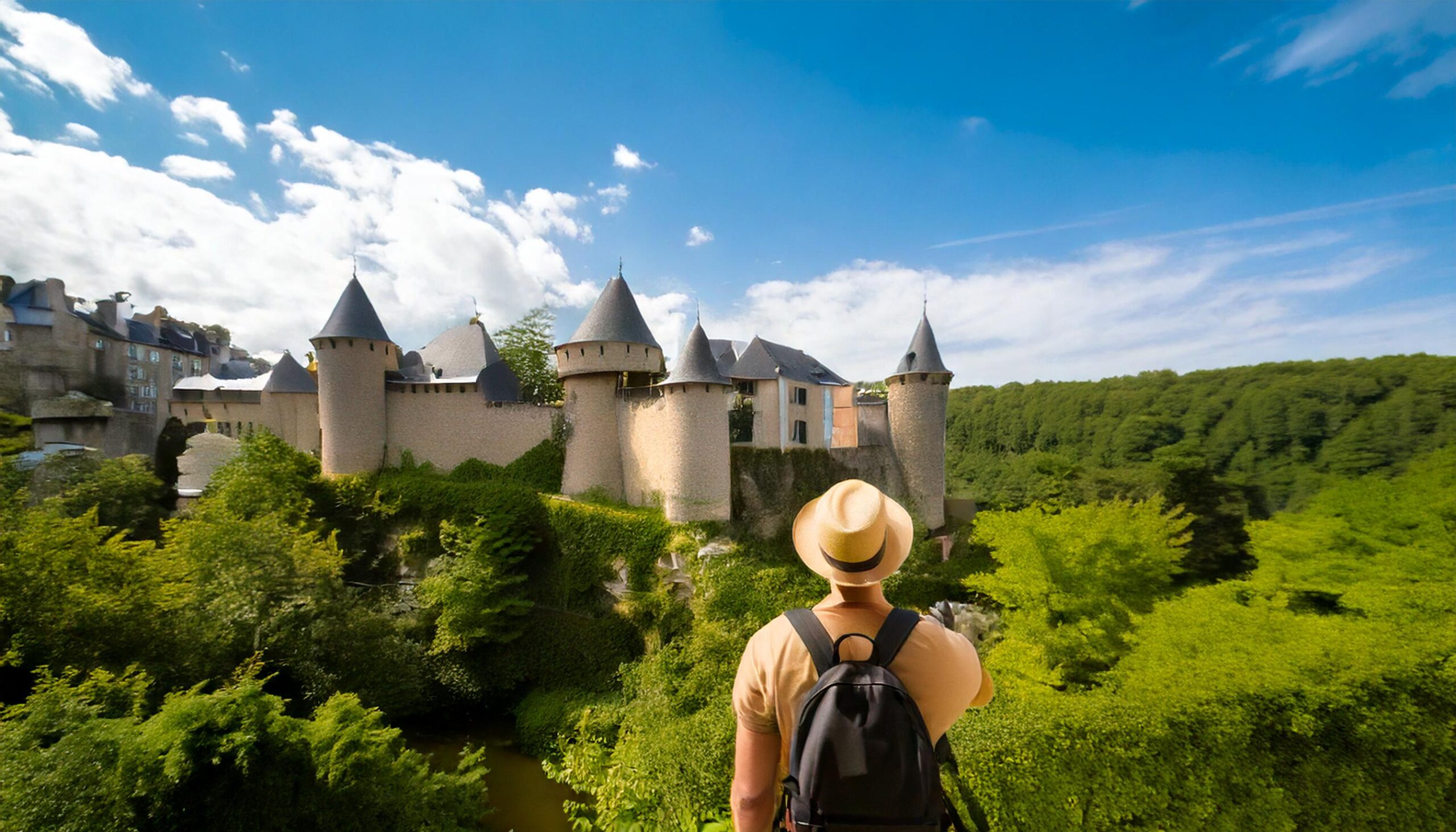
    A trip to Luxembourg is incomplete without visiting Vianden Castle, one of the most beautiful medieval castles in Europe. Located about 50 km from the capital, it is easily accessible by train and bus. The entry fee is EUR 10 (INR 850). The castle’s impressive architecture and hilltop location make it a must-visit.

    Echternach – The Oldest Town in Luxembourg

    I then traveled to Echternach, the oldest town in Luxembourg, known for its Benedictine Abbey and scenic hiking trails. The Abbey Museum ticket costs EUR 5 (INR 450), and it offers a fascinating glimpse into the town’s history.

    Mullerthal Region – Luxembourg’s Little Switzerland

    For nature lovers, the Mullerthal Region, also known as Luxembourg’s Little Switzerland, is a paradise. The stunning rock formations, lush forests, and scenic trails make it perfect for hiking. Exploring this region was one of the most refreshing parts of my trip.

    Clervaux and the Family of Man Exhibition

    Another hidden gem in Luxembourg is Clervaux, a small town known for its beautiful castle. The castle houses the famous “The Family of Man” photo exhibition, a UNESCO-recognized collection. The entry ticket costs EUR 6 (INR 500).

    Luxembourg’s Gastronomic Delights

    Luxembourg’s food scene is a mix of French, German, and Belgian influences. Some must-try dishes include Judd mat Gaardebounen (smoked pork with beans), Gromperekichelcher (potato pancakes), and traditional Luxembourgish wine. A meal at a mid-range restaurant costs around EUR 20-30 (INR 1,700 – INR 2,500).

    Total Budget & Trip Duration

    For this entire trip, here’s a rough budget breakdown:

    • New Delhi to Luxembourg (Flight): INR 60,000
    • Luxembourg Accommodation (5 nights): INR 30,000
    • Luxembourg Sightseeing & Activities: INR 12,000
    • Food & Local Transport: INR 15,000
    • Miscellaneous & Shopping: INR 8,000

    Total Estimated Budget: INR 1,25,000 – INR 1,40,000 (excluding luxury expenses)

    For a complete experience, I recommend spending at least 5-6 days in Luxembourg. This allows ample time to explore the capital, nearby castles, and natural landscapes.

    Currency

    The euro banknotes and coins were introduced in Luxembourg on 1 January 2002, after a transitional period of three years when the euro was the official currency but only existed as ‘book money’.

    Final Thoughts

    This journey from New Delhi to Luxembourg was truly a remarkable experience. The blend of cultural heritage, breathtaking landscapes, and medieval castles made it an unforgettable adventure. Whether you love history, nature, or gastronomy, Luxembourg has something for every traveler. If you’re planning a similar trip, make sure to plan in advance and immerse yourself in the charm of this hidden European gem!

  • From New Delhi to Dubai: A Breathtaking Journey of Luxury & Adventure

    From New Delhi to Dubai: A Breathtaking Journey of Luxury & Adventure

    A Journey from New Delhi to Dubai: An Unforgettable Travel Experience

    Traveling is one of the most enriching experiences one can have, and embarking on a journey from New Delhi to Dubai is nothing short of fascinating. This trip offers a blend of history, culture, and modern luxury, making it a perfect adventure for travelers. Whether by air or a combination of road and air travel, each mode of transport has its own charm. In this blog, I will take you through my journey from New Delhi to Dubai, exploring different travel options and the wonders that Dubai has to offer.

    The Journey from New Delhi to Dubai

    By Air

    The most convenient way to reach Dubai from New Delhi is by flight. Indira Gandhi International Airport (DEL) offers direct flights to Dubai International Airport (DXB), operated by airlines such as Emirates, Air India, IndiGo, and Flydubai. The flight duration is approximately 3.5 to 4 hours. The ticket prices range from INR 15,000 to INR 40,000, depending on the season and airline.

    By Road and Air (Alternative Route)

    For those who wish to explore more along the way, another option is traveling by road from New Delhi to Mumbai and then taking a flight to Dubai. The road journey to Mumbai takes about 24 hours by car or 16 hours by train. From Mumbai, direct flights to Dubai take around 3 hours, with fares starting from INR 12,000.

    Exploring Dubai – The City of Dreams

    Dubai is a city that offers something for everyone, from stunning skyscrapers and luxurious shopping malls to traditional souks and adventure-filled deserts. I planned my Dubai itinerary to include both modern and cultural experiences.

    Burj Khalifa

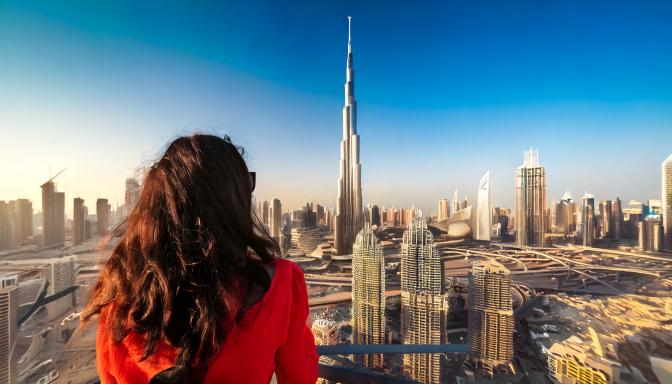
    My first stop was the Burj Khalifa, the tallest building in the world. The observation deck on the 124th floor provides breathtaking views of the city. The ticket price is around AED 149 (INR 3,300) for a regular visit. Watching the sunset from the top was an unforgettable experience.

    Desert Safari

    Next, I went for a desert safari, which included dune bashing, camel rides, and a cultural evening with traditional dance performances and barbecue dinner. The package cost me around AED 250 (INR 5,500).

    Dubai Mall & Aquarium

    Dubai Mall is a paradise for shopping lovers. Apart from luxury brands, it also houses the Dubai Aquarium & Underwater Zoo. The aquarium ticket cost AED 120 (INR 2,600), and I was amazed by the variety of marine life on display.

    Palm Jumeirah & Atlantis

    I also visited Palm Jumeirah, an artificial island known for its luxurious resorts. I explored Atlantis The Palm and enjoyed the Aquaventure Waterpark, which cost AED 299 (INR 6,500).

    Old Dubai – Dubai Creek & Gold Souk

    To experience traditional Dubai, I took an abra (water taxi) ride in Dubai Creek, which cost only AED 1 (INR 20). I explored the Gold Souk and Spice Souk, where I saw dazzling gold jewelry and aromatic spices.

    Global Village

    Another highlight of my trip was visiting Global Village, an entertainment and cultural attraction that showcases pavilions from different countries. The entry fee is AED 20 (INR 440), and it offers a unique experience of international culture, food, and shopping.

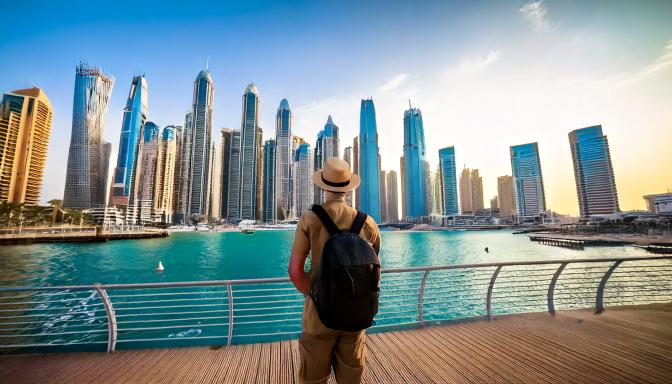
    Dubai Marina & JBR Beach

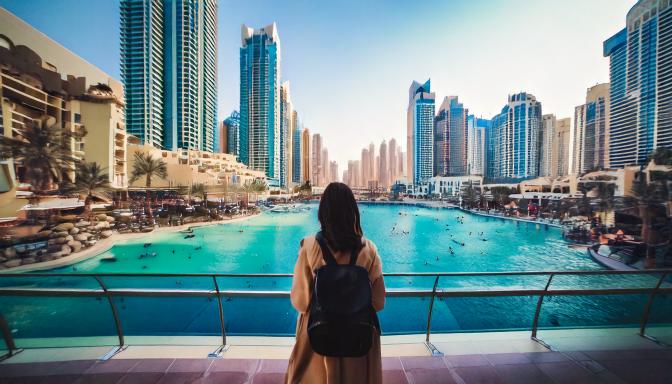
    For a relaxing experience, I visited Dubai Marina and JBR Beach. The vibrant atmosphere, waterfront restaurants, and thrilling water sports made for a perfect evening.

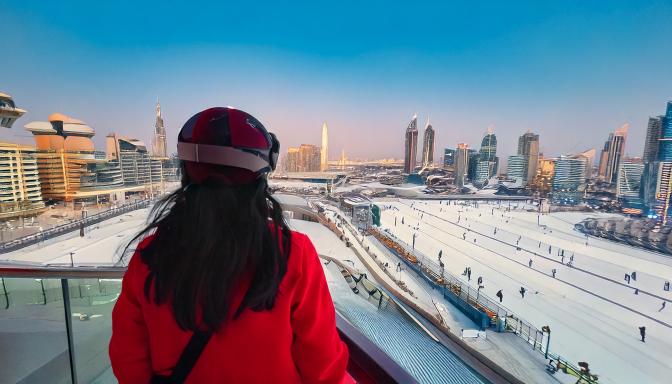
    Ski Dubai

    Dubai even has an indoor ski resort! Located inside Mall of the Emirates, Ski Dubai offers skiing and snowboarding experiences. The entry ticket costs AED 250 (INR 5,500) for a full-day pass.

    Total Budget & Trip Duration

    For this entire trip, here’s a rough budget breakdown:

    • New Delhi to Dubai (Flight): INR 20,000
    • Dubai Accommodation (5 nights): INR 25,000
    • Dubai Sightseeing & Activities: INR 20,000
    • Food & Transport: INR 12,000
    • Miscellaneous & Shopping: INR 8,000

    Total Estimated Budget: INR 85,000 – INR 1,00,000 (excluding luxury expenses)

    For a complete experience, I recommend at least 5-6 days in Dubai. This allows ample time to explore the major attractions and immerse in the local culture.

    Final Thoughts

    This journey from New Delhi to Dubai was truly a remarkable experience. The blend of cultural heritage and modern marvels made it an unforgettable adventure. Whether you love adventure, shopping, or history, Dubai has something for every traveler. If you’re planning a similar trip, make sure to plan in advance and enjoy every moment!